
Comparing Restoration Companies
Franchise vs.
Independent Network
When water, fire, or storm damage hits your property, the company you hire arrives in one of two business models. Both can do the job. The differences in equipment, accountability, and how decisions get made on your property are worth understanding before you call.
The Short Version
Two Valid Models. One Probably Fits You Better.
Franchise restoration brands (think nationally recognizable names) are independently owned local businesses operating under a parent brand's name, equipment, and playbooks. They pay franchise fees and royalties for the brand, the systems, and the marketing.
Independent contractor networks like Binnacle are groups of established local restoration professionals who share dispatch, equipment, and back-office infrastructure — without giving up their business identity. Each contractor's reputation rides on every job.
Side by Side
How the Two Models Compare
What This Looks Like in the Field
The Difference Shows Up on the Job
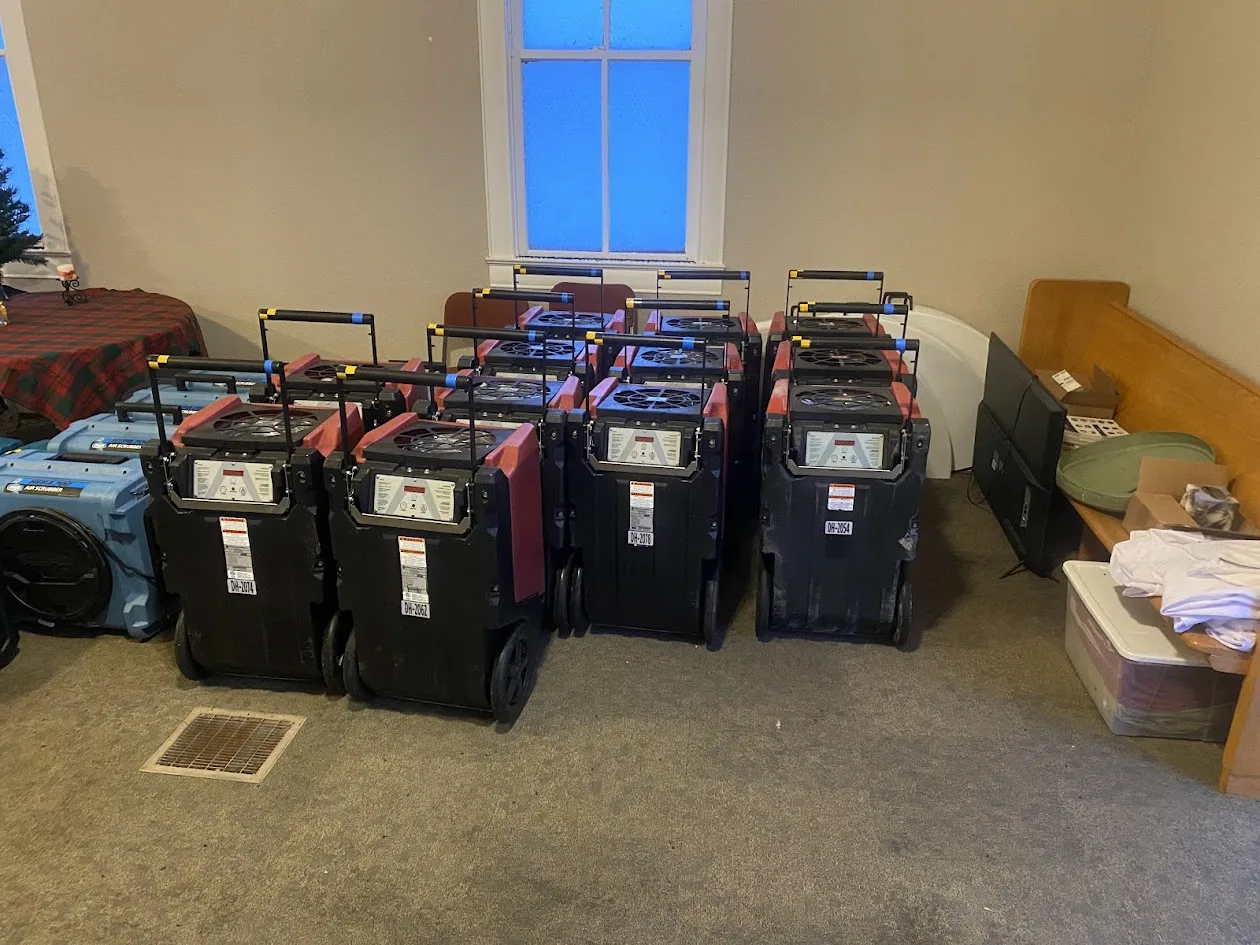
Right-sized equipment
Per-project rental means we bring exactly what your loss requires — not whatever happens to be sitting in the franchise yard from the last job.
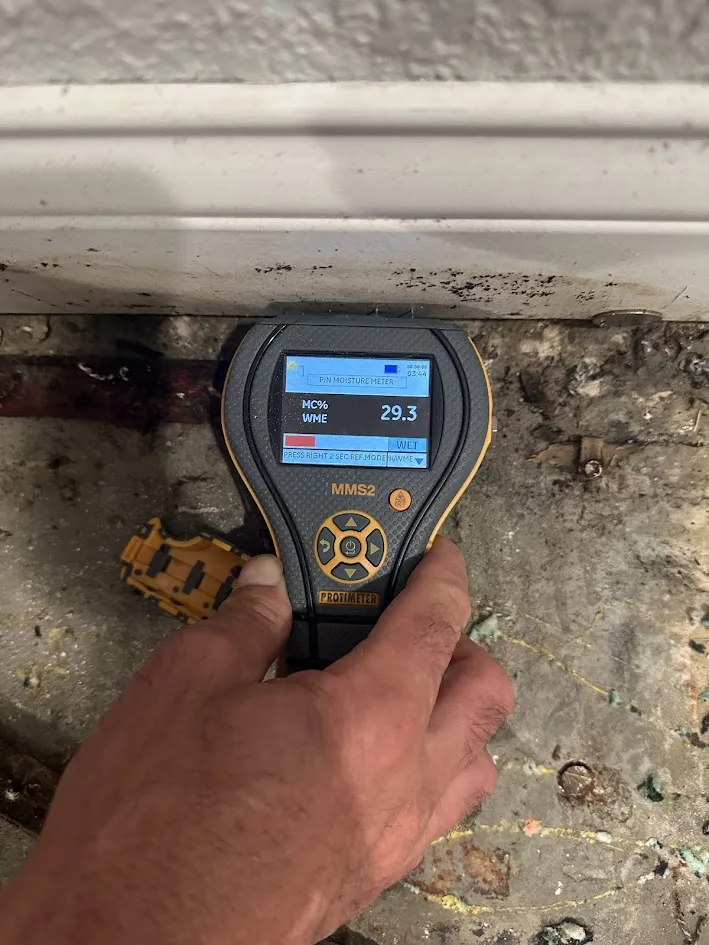
Documentation that pays your claim
Moisture readings, drying logs, and Xactimate-formatted reports prepared the same way on every job — so your adjuster has what they need to approve the work.
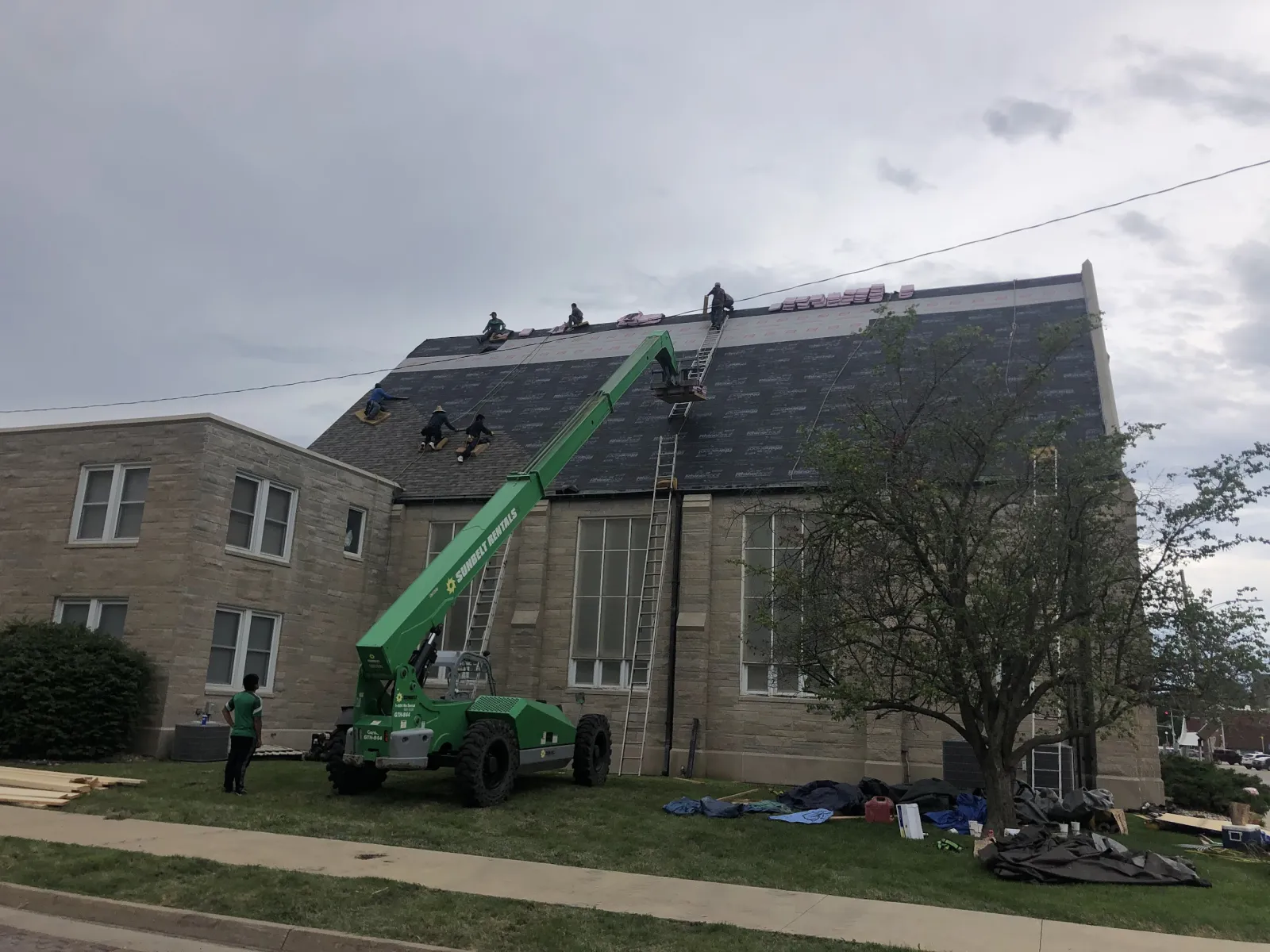
Owners on the job
Decisions get made on-site by the person whose name is on the truck. No waiting for a regional manager to approve a scope change.
Honest Counter-Point
When a Franchise Might Actually Be the Right Call
- •You're a national property manager standardizing vendors across many states and need one phone number for everything.
- •You're outside our service area (we currently serve Missouri, Iowa, and Oklahoma).
- •Brand recognition matters more to you than knowing the owner of the business doing the work.
Outside those cases, an independent contractor network typically delivers a better outcome on the things that actually drive a successful claim: response speed, equipment fit, documentation quality, and accountability after the work is done.
Ready to Compare for Yourself?
Get a Free On-Site Assessment
No obligation. We'll walk the property, give you an honest scope, and tell you straight if your situation is — or isn't — a fit for an independent network.