

Binnacle Mitigation & Restoration
Mold Remediation
Contained. Removed. Cleared. IICRC S520 protocol on every project.
Overview
What You Need to Know
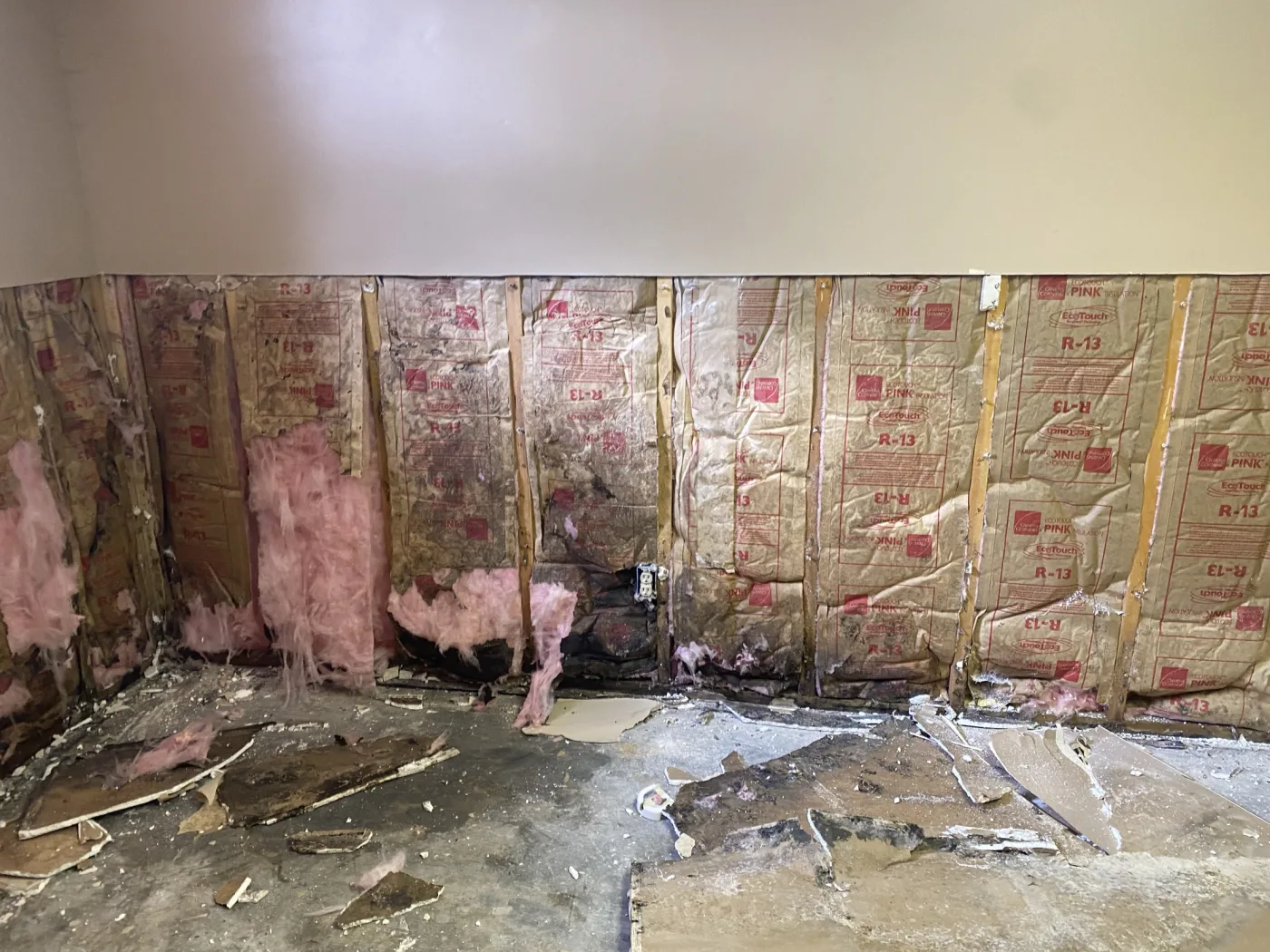
Mold is not a cosmetic problem. It is a structural and health concern that requires systematic, protocol-driven remediation. Once established, mold colonies release spores and mycotoxins into the air continuously. These airborne particles can trigger respiratory symptoms, aggravate asthma, cause allergic reactions, and in the case of certain species, produce toxins with serious health implications. Simply painting over mold or wiping visible growth with household cleaners does not constitute remediation. It typically disperses spores into other areas while leaving the root colony intact.
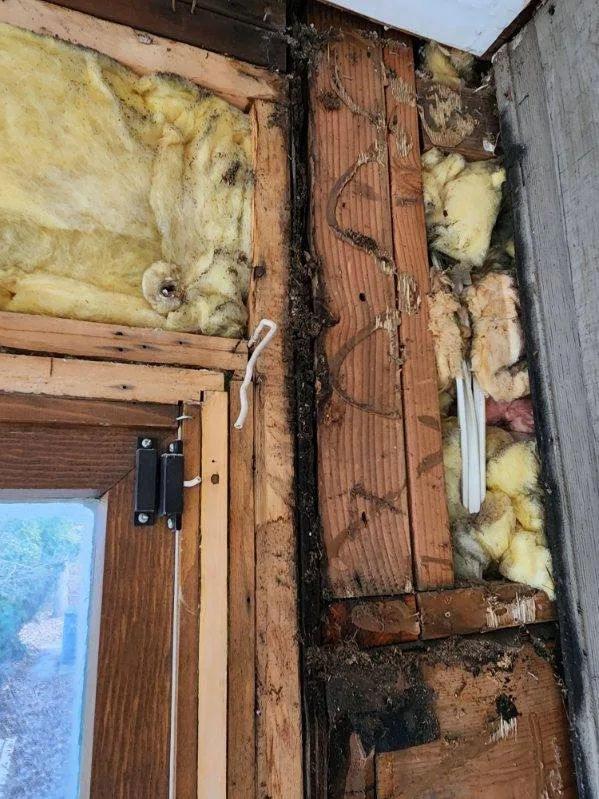
Mold requires three conditions to grow: moisture, an organic food source, and the right temperature. Because all structures contain organic materials and maintain temperatures in the mold-growth range, moisture control is the only reliable prevention lever. Common hidden mold locations include wall cavities behind plumbing, attic spaces with inadequate ventilation, crawlspaces with vapor barrier failures, and areas of chronic condensation around HVAC equipment. If you can see or smell mold, the actual affected area is frequently larger than what's visible.
The EPA recommends professional remediation for mold-affected areas larger than 10 square feet (roughly a 3x3 ft patch), and industry consensus supports professional involvement for any mold discovered in HVAC systems or resulting from Category 2 or 3 water events. Binnacle contractors serving Missouri, Iowa, and Oklahoma follow IICRC S520 protocols, the industry gold standard, including proper containment, HEPA filtration, safe disposal, and third-party clearance verification.
Key Facts
- $5–7 Billion annual US mold remediation market size
- 24–48 hrs timeframe for mold to begin growing after moisture intrusion
- 70% of homes are estimated to have mold at some point
- >10 sq ft EPA-recommended threshold for professional remediation
Our Process
Step-by-Step Restoration
Assessment & Air Sampling
A thorough inspection identifies visible mold growth and moisture sources. Air and surface sampling by a third-party industrial hygienist establishes baseline spore counts and identifies mold species, guiding the remediation scope and confirming clearance benchmarks.
Containment Setup
Negative air pressure containment barriers using 6-mil poly sheeting and zipper doors isolate the work area from clean spaces. Negative air machines exhaust filtered air outside, preventing cross-contamination of unaffected areas during removal.
HEPA Filtration
Commercial HEPA air scrubbers run continuously throughout remediation, capturing mold spores as small as 0.3 microns. Air changes per hour are calculated based on space volume to maintain clean air during work.
Removal & Disposal
Affected porous materials, including drywall, insulation, and carpet, that cannot be adequately cleaned are removed in sealed bags and disposed of per local regulations. Non-porous surfaces are HEPA-vacuumed, then cleaned with EPA-registered antimicrobial agents.
Treatment & Prevention
After removal, structural surfaces are treated with EPA-registered antimicrobials and, where appropriate, encapsulants to prevent future growth. Moisture source recommendations are documented so the root cause can be corrected before reconstruction.
Clearance Testing
Post-remediation verification by a third-party industrial hygienist confirms spore counts have returned to normal outdoor baseline levels. Clearance documentation is provided for insurance, real estate disclosure, and occupant re-entry decisions.
From Real Jobs
Project Photos
Common Questions
What to Expect & How It Works
How do I know if I have mold in my home or building?
The most common indicators are a persistent musty odor, especially in basements, crawlspaces, or areas with recent water damage, visible discoloration on walls, ceilings, or flooring, and unexplained respiratory symptoms in occupants that improve when they leave the building. Mold is frequently hidden behind walls, under flooring, and in attic spaces, meaning visible surface mold is often just a fraction of the total affected area. Professional inspection with air and surface sampling provides the only definitive answer about the type and extent of mold present in a structure.
Is black mold as dangerous as people say?
The term 'black mold' typically refers to Stachybotrys chartarum, a toxigenic species that produces mycotoxins under certain growth conditions. While Stachybotrys can cause significant health effects, particularly for people with respiratory conditions, compromised immune systems, infants, and the elderly, the danger of any mold situation depends more on the quantity of mold present, the extent of exposure, and individual sensitivity than on species alone. Many common mold species appear dark-colored, including Aspergillus, Cladosporium, and Alternaria. Regardless of species, large-scale mold growth in occupied buildings warrants professional remediation and should not be dismissed.
Can I remove mold myself?
For small, isolated areas of surface mold on non-porous materials such as bathroom tile, cleaning with an appropriate EPA-registered fungicide and correcting the moisture source is generally sufficient. However, the EPA recommends professional remediation for areas larger than 10 square feet, any mold resulting from Category 2 or 3 water events, mold in HVAC systems, or mold affecting structural materials like framing and insulation. DIY attempts on larger infestations typically disperse spores to other areas of the building without resolving the root colony, and lack the containment, HEPA filtration, and clearance verification needed to confirm the problem is resolved.
What causes mold to come back after remediation?
Mold returns after remediation for one reason: the moisture source was not corrected. Remediation removes existing mold growth, but if the conditions that allowed mold to establish, such as a plumbing leak, roof intrusion, condensation from HVAC issues, or inadequate crawlspace ventilation, remain unresolved, new mold growth will appear within weeks of remediation completion. Binnacle contractors identify and document the moisture source as part of every remediation project and provide specific recommendations for corrective repairs before reconstruction begins. Addressing the moisture source is as important as the remediation itself.
Why Speed Matters
The Cost of Waiting
Every hour without professional mitigation increases damage severity and final restoration cost. Here's what happens when response is delayed:
Mold spores germinate on any wet organic material, including drywall, wood framing, insulation, and cardboard. Stopping moisture at this stage prevents establishment entirely.
Mold colonies are fully established and releasing spores continuously. HVAC systems can distribute spores to unaffected areas. Health symptoms may begin in sensitive occupants.
Structural materials show significant degradation. Mold has likely spread to adjacent building cavities. Remediation scope expands substantially. Property value impact begins.
Extensive structural material replacement required. Serious health documentation for occupants. Real estate disclosure obligations. Insurance claim complications increase.
Certifications & Standards
Industry-Certified Work
- IICRC S520: Standard for Professional Mold Remediation. The primary industry reference for assessment, containment, removal, and clearance protocols.
- EPA Publication 402-K-02-003: 'Mold Remediation in Schools and Commercial Buildings.' Referenced for commercial property work.
- OSHA 29 CFR 1910.134: Respiratory Protection. Full PPE protocols including respirators for all technicians during remediation.
- Third-party industrial hygienist clearance testing recommended for all projects. Confirms spore counts meet clearance criteria.
- Xactimate documentation standards for insurance adjuster compatibility and claim support
Equipment Used
Professional-Grade Tools
- Negative air machines with HEPA filtration: creates and maintains negative pressure containment zones
- Commercial HEPA air scrubbers: captures spores as small as 0.3 microns throughout remediation
- HEPA vacuums: first-step cleaning on all affected non-porous surfaces before wet cleaning
- 6-mil poly containment barriers and zipper doors: full isolation of work area from clean spaces
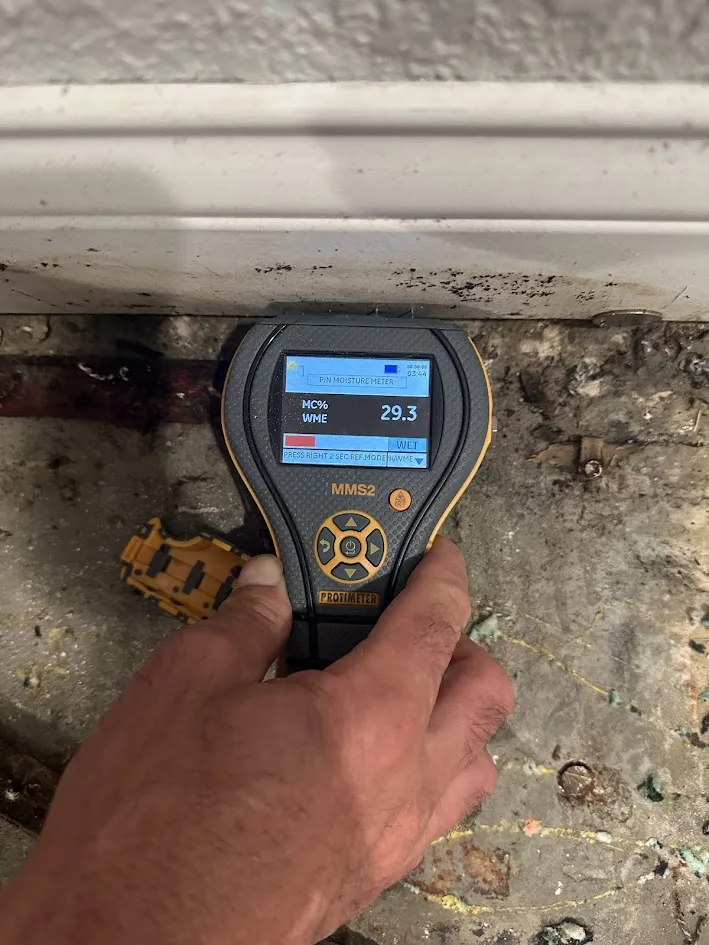
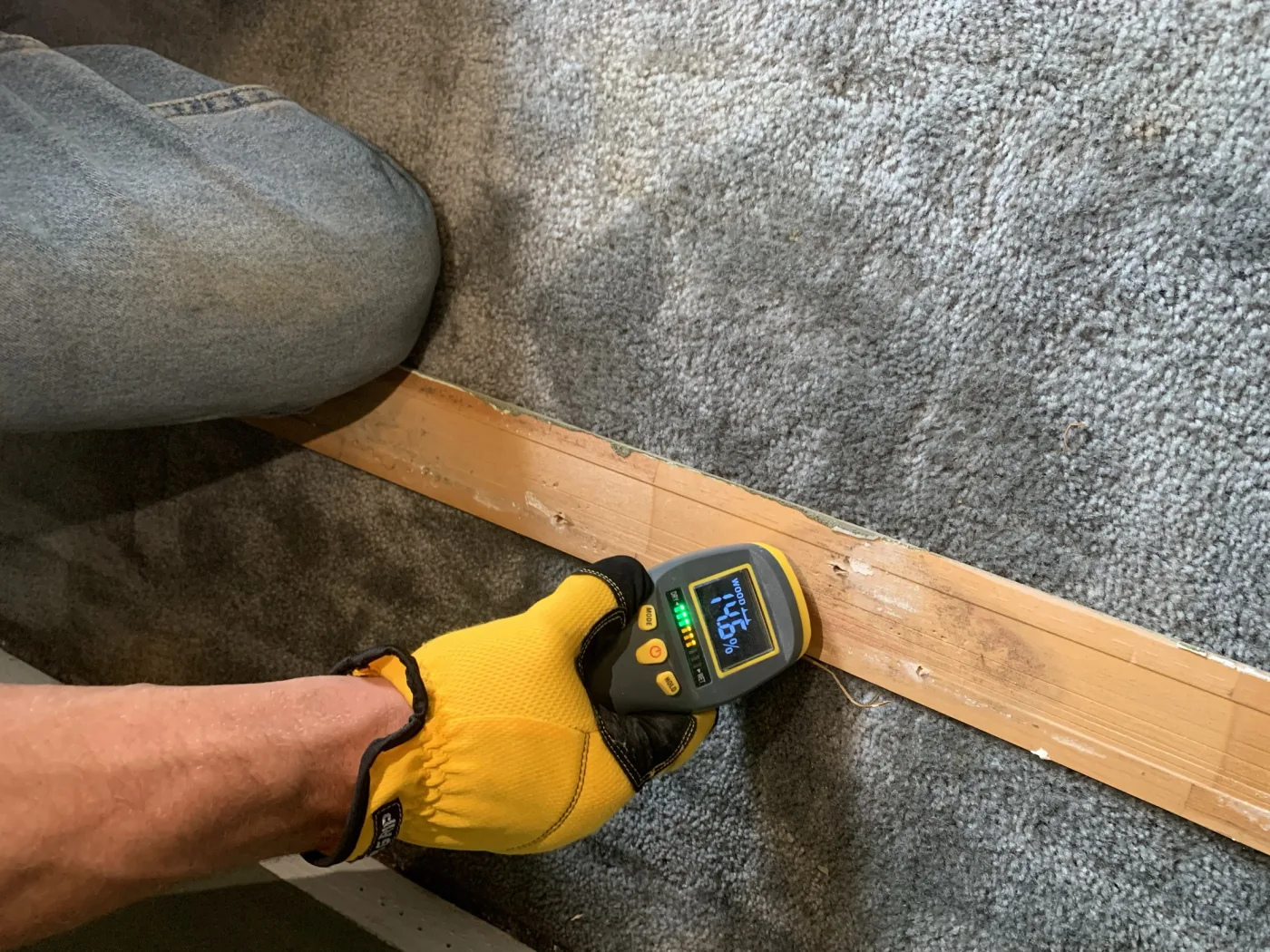
- Tramex moisture meters and FLIR thermal cameras: maps hidden moisture driving mold growth
- EPA-registered antimicrobial and antifungal treatments: applied to structural surfaces after removal
- Encapsulants: seals porous surfaces where removal is not feasible
- Proper disposal containers and bags: sealed removal of contaminated materials per local regulations
Why Binnacle
What Sets Us Apart
- IICRC S520 compliant procedures, industry gold standard for mold remediation
- Negative air pressure containment prevents cross-contamination to clean areas
- Third-party clearance testing available for independent verification of remediation success
- EPA-registered antimicrobial treatments on all structural surfaces
- Moisture source identification and documentation to address root cause, not just symptoms
- HEPA air scrubbers running continuously throughout the project
- Proper disposal of all contaminated porous materials per local regulations
- Insurance documentation package supports claims and real estate disclosure
- Same-day assessment available for active moisture situations in MO, IA, and OK
- Full project scope provided before work begins. No surprise change orders.
Emergency Guides
What To Do Right Now
In one of these situations? Start here for the first steps — then call us 24/7.
Ready When You Are
Get Expert Help Now
Certified contractors standing by 24/7 across Missouri, Iowa, and Oklahoma. Fast response. Full documentation. Insurance-ready.