
Binnacle Mitigation & Restoration
Fire & Smoke Restoration
Soot removed. Odor eliminated. Structural damage fully documented.
Overview
What You Need to Know
Fire damage extends far beyond the char line. Smoke and soot infiltrate every room in a structure, including spaces the fire never reached, within minutes of ignition. Smoke travels through HVAC systems, penetrates porous materials like drywall and wood, and deposits corrosive soot on every surface. Without professional intervention, this chemical damage continues long after the flames are extinguished.
There are three primary types of smoke residue, each requiring different cleaning methods. Dry soot from fast-burning fires produces a dry, powdery residue that smears when wiped incorrectly. Wet soot from slow, smoldering fires leaves a sticky, pungent residue that adheres strongly to surfaces. Protein residue from kitchen fires is nearly invisible but produces an intense, lasting odor. Applying the wrong cleaning method damages surfaces further. Our contractors are trained in soot chemistry and use the correct technique for each residue type.
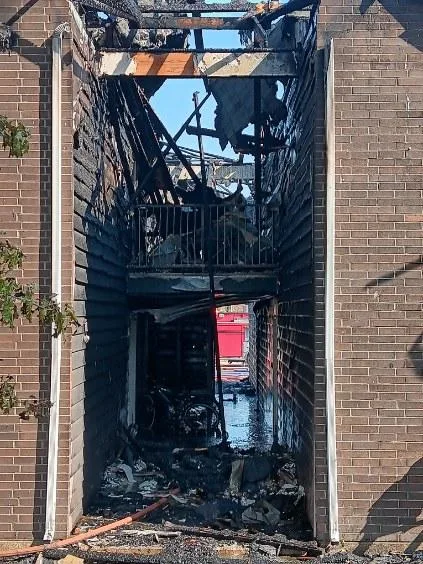
A frequently overlooked consequence of fire events is the water damage caused by firefighting operations. Thousands of gallons of water discharged during suppression soak into floors, walls, and structural members, creating a secondary water damage event that must be addressed with the same urgency as the fire itself. Binnacle contractors handle both the fire and water components under a single, coordinated response, ensuring nothing is missed in the handoff.
Key Facts
- 358,500+ residential structure fires occur annually in the US
- $77,000+ average residential fire insurance claim
- Within Hours soot begins corroding metals and appliances after fire
- Days smoke odor can permanently permeate structural materials if untreated
Our Process
Step-by-Step Restoration
Safety Assessment
Before any cleanup begins, contractors assess structural safety, identify electrical hazards, and confirm fire department clearance. Board-up and tarping protect the structure from weather and unauthorized entry during the project.
Soot & Debris Removal
Dry soot is removed with HEPA vacuums and dry-cleaning sponges before any wet cleaning occurs, preventing smearing and surface damage. Charred materials are removed and disposed of. HEPA air scrubbers capture airborne particulate throughout.
Structural Drying
Firefighting water is addressed using the same IICRC S500 protocols as a water damage event. Moisture mapping, extraction, air movers, and dehumidifiers are deployed to prevent secondary mold growth from suppression water.
Odor Neutralization
Thermal foggers penetrate the same pathways smoke traveled to neutralize odor at the molecular level. Hydroxyl generators and ozone treatments are used for deep structural odor in crawlspaces and HVAC systems. Ozone treatments require occupant evacuation.
Documentation & Closeout
Full photographic documentation of all affected areas, contents inventory, equipment logs, and cleaning records are compiled into an insurance-ready package. Coordination with rebuild contractors for seamless transition to reconstruction.
From Real Jobs
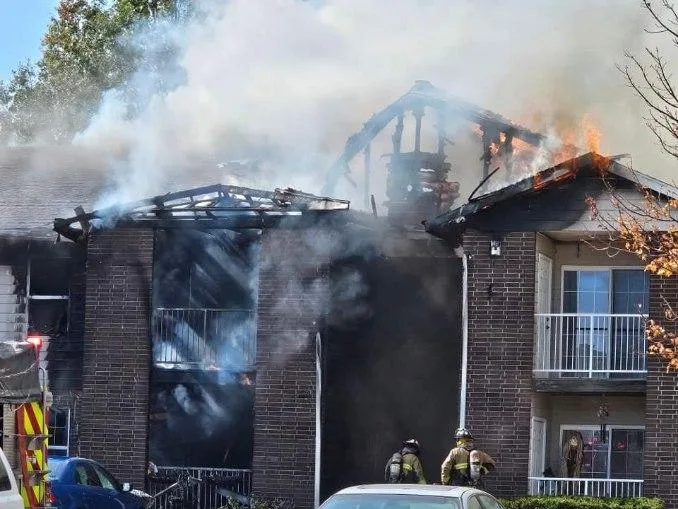
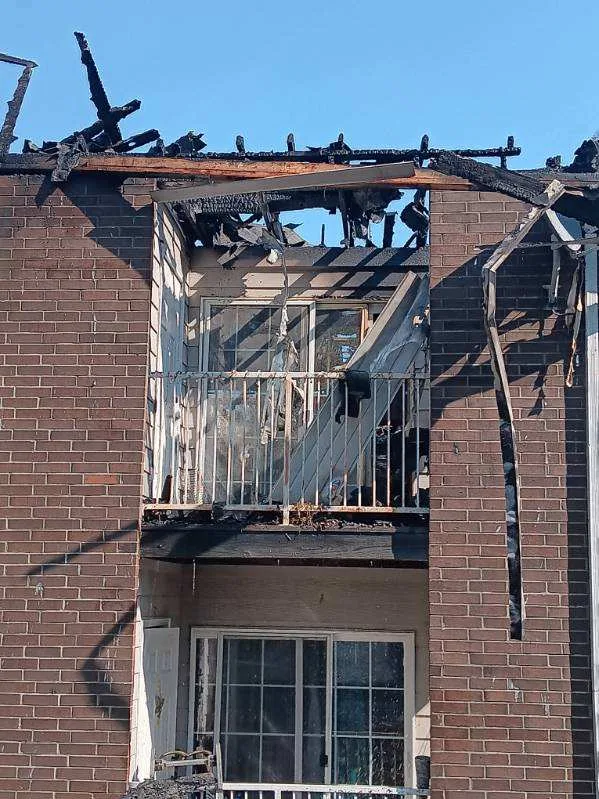
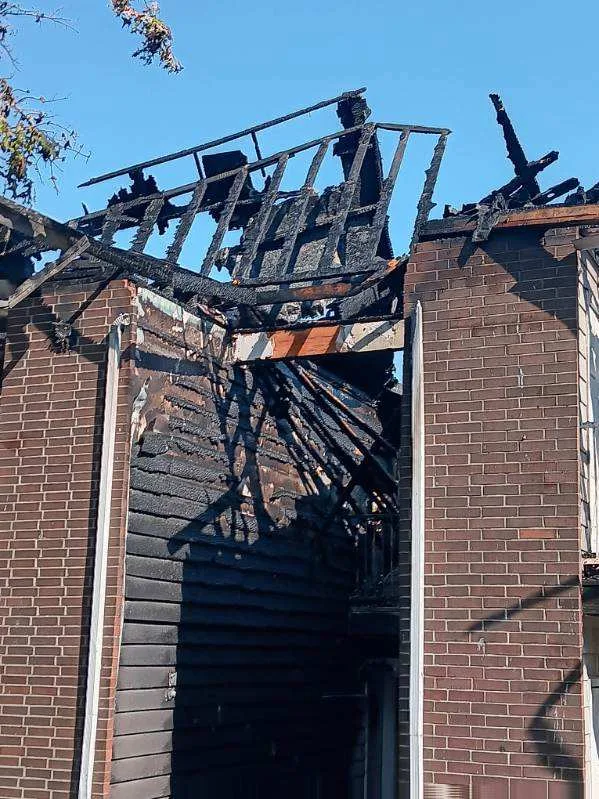
Project Photos
Common Questions
What to Expect & How It Works
Can smoke damage be fully removed from a structure?
Yes, smoke damage can be fully remediated when treated promptly and professionally. The key variables are how quickly restoration begins and whether the correct cleaning methods are used for each type of soot residue. Smoke odor that has been allowed to set into structural materials, particularly wood framing, insulation, and concrete, is significantly more difficult to eliminate than fresh smoke and may require aggressive treatments including ozone generation, hydroxyl processing, and encapsulants. Properties treated within the first 24 to 72 hours have significantly better outcomes than those left unaddressed for days or weeks.
How long does fire and smoke restoration take?
The timeline for fire and smoke restoration varies widely depending on the scale of the fire, the types of materials affected, and whether secondary water damage from firefighting is present. A contained kitchen fire with smoke migration might take 3 to 5 days of mitigation work. A significant structure fire affecting multiple rooms or floors can require 2 to 4 weeks of mitigation before reconstruction begins. Reconstruction timelines are separate and depend on the scope of structural damage. Binnacle provides a detailed scope of work and timeline estimate after the initial safety assessment.
What is the difference between soot and smoke damage?
Smoke is the airborne mixture of gases, vapors, and particulate matter produced by combustion. Soot is the solid carbon-based residue that smoke deposits on surfaces as it cools. Smoke damage refers broadly to the full impact of the combustion byproducts, including chemical odors permeating materials, corrosive acids damaging surfaces, and airborne particles settling into HVAC systems and porous materials. Soot is a specific component of smoke damage: a corrosive, acidic residue that begins etching metals, glass, and finishes within hours of deposition, which is why rapid surface cleaning is critical after any fire event.
Should I try to clean up after a fire myself?
Attempting to clean fire and smoke damage without training and proper equipment typically worsens the damage and complicates insurance claims. Wiping dry soot with a wet cloth smears it deeper into porous surfaces. Using household cleaners on smoke-damaged finishes can set stains permanently. Walking through a fire-damaged structure redistributes soot into unaffected areas. Additionally, firefighting water creates hidden moisture that requires professional moisture mapping and drying equipment to fully address. Binnacle contractors are trained in soot chemistry, residue identification, and correct cleaning sequences. Their documentation protects your insurance claim from the start.
Why Speed Matters
The Cost of Waiting
Every hour without professional mitigation increases damage severity and final restoration cost. Here's what happens when response is delayed:
Soot deposits begin chemically etching metals, glass, and appliances. Acidic smoke residue permanently discolors painted surfaces and fabrics if not dry-cleaned correctly.
Smoke odor penetrates deep into structural materials, including drywall, framing, and insulation, making neutralization significantly more difficult and expensive. Firefighting water creates active mold risk.
Smoke odor becomes embedded in structural components. Metal surfaces develop permanent pitting from acid corrosion. Mold growth from firefighting water compounds restoration scope.
Structural odor may require full encapsulation or material replacement. Corrosion damage to electrical components and appliances becomes irreversible. Claim documentation becomes more contested.
Certifications & Standards
Industry-Certified Work
- IICRC S700: Standard for Professional Fire and Smoke Damage Restoration. Governs assessment, cleaning methods, and documentation requirements.
- IICRC WRT (Water Damage Restoration Technician) applied to firefighting water component
- OSHA 29 CFR 1910.134: Respiratory Protection standard. Required for all work in smoke-contaminated environments.
- EPA guidelines for handling and disposing of fire-debris and smoke-contaminated materials
- Xactimate line-item documentation for insurance adjuster compatibility on all jobs
Equipment Used
Professional-Grade Tools
- HEPA air scrubbers: captures soot particles as fine as 0.3 microns during all phases of cleanup
- Thermal foggers: penetrate structural pathways to neutralize odor molecules
- Hydroxyl generators: safe for occupied spaces, breaks down VOCs and smoke compounds
- Ozone generators: commercial-grade for severe structural odor (requires full evacuation)
- Dry-cleaning sponges and HEPA vacuums: correct first step for all dry soot removal
- Phoenix air movers and Dri-Eaz dehumidifiers: for firefighting water structural drying
- FLIR thermal cameras: identifies moisture from firefighting operations in walls and flooring
- Esporta soft-contents washing system and specialized cleaning agents for contents restoration
Why Binnacle
What Sets Us Apart
- Trained in all three soot types (dry, wet, and protein) and the correct cleaning method for each
- HEPA air scrubbers running throughout all phases of cleanup
- Addresses firefighting water as a simultaneous water damage event
- Thermal fogging and hydroxyl treatment for complete odor neutralization
- Contents inventory and pack-out for salvageable personal property
- IICRC S700 compliant procedures on every job
- Board-up and tarping to secure structure during project
- Insurance documentation package at closeout, formatted for adjusters
- Coordination with rebuild contractors for seamless reconstruction transition
- Available 24/7 across Missouri, Iowa, and Oklahoma
Emergency Guides
What To Do Right Now
In one of these situations? Start here for the first steps — then call us 24/7.
Ready When You Are
Get Expert Help Now
Certified contractors standing by 24/7 across Missouri, Iowa, and Oklahoma. Fast response. Full documentation. Insurance-ready.