
Binnacle Mitigation & Restoration
Storm Damage Response
Surge capacity when the whole region needs help. Deployed within hours.
Overview
What You Need to Know
Storm damage is unique among property loss events because it often affects entire neighborhoods, towns, or regions simultaneously. When a tornado moves through central Missouri or a derecho sweeps across Iowa, hundreds of properties sustain damage within minutes, overwhelming single-location contractors instantly. The Binnacle network model is built for exactly this scenario: multiple certified crews can be activated and deployed across an affected market simultaneously, providing coverage that no single franchise operation can match.
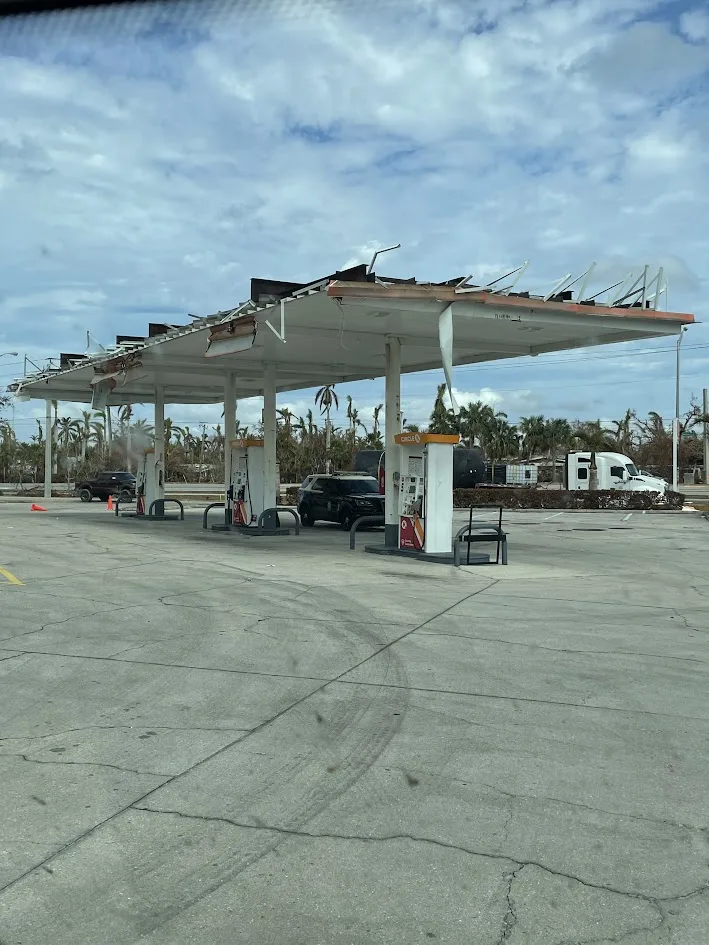
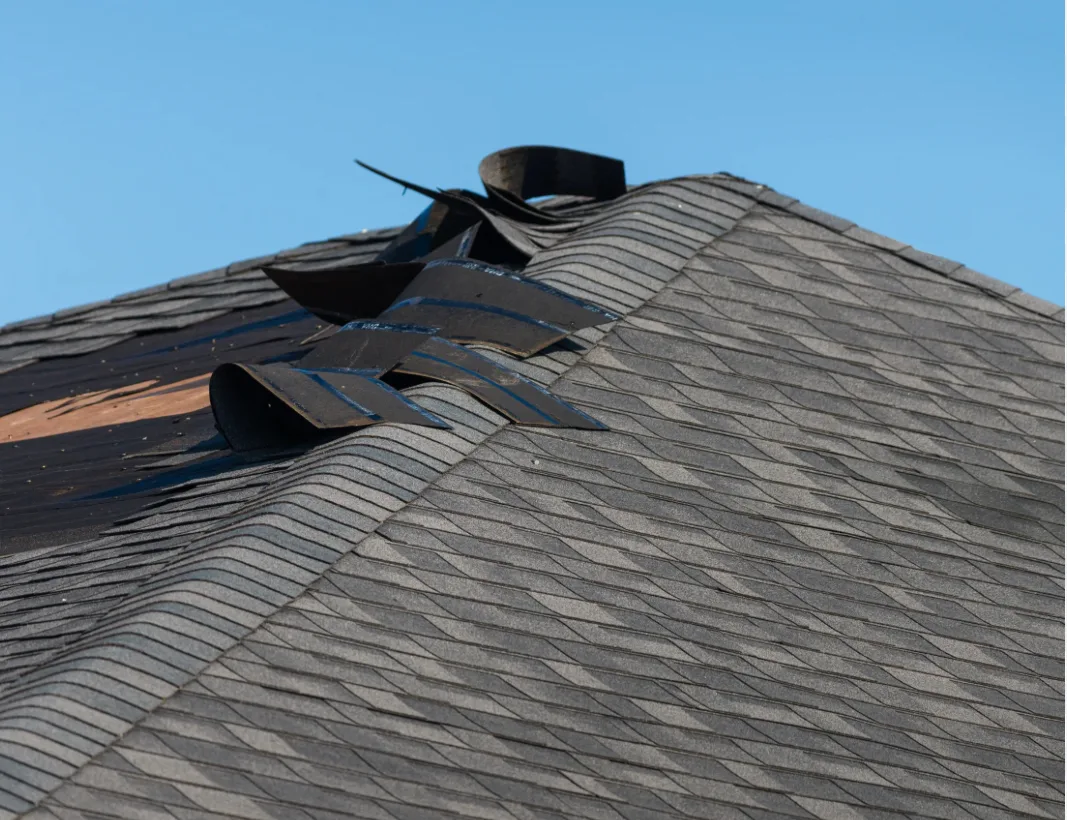
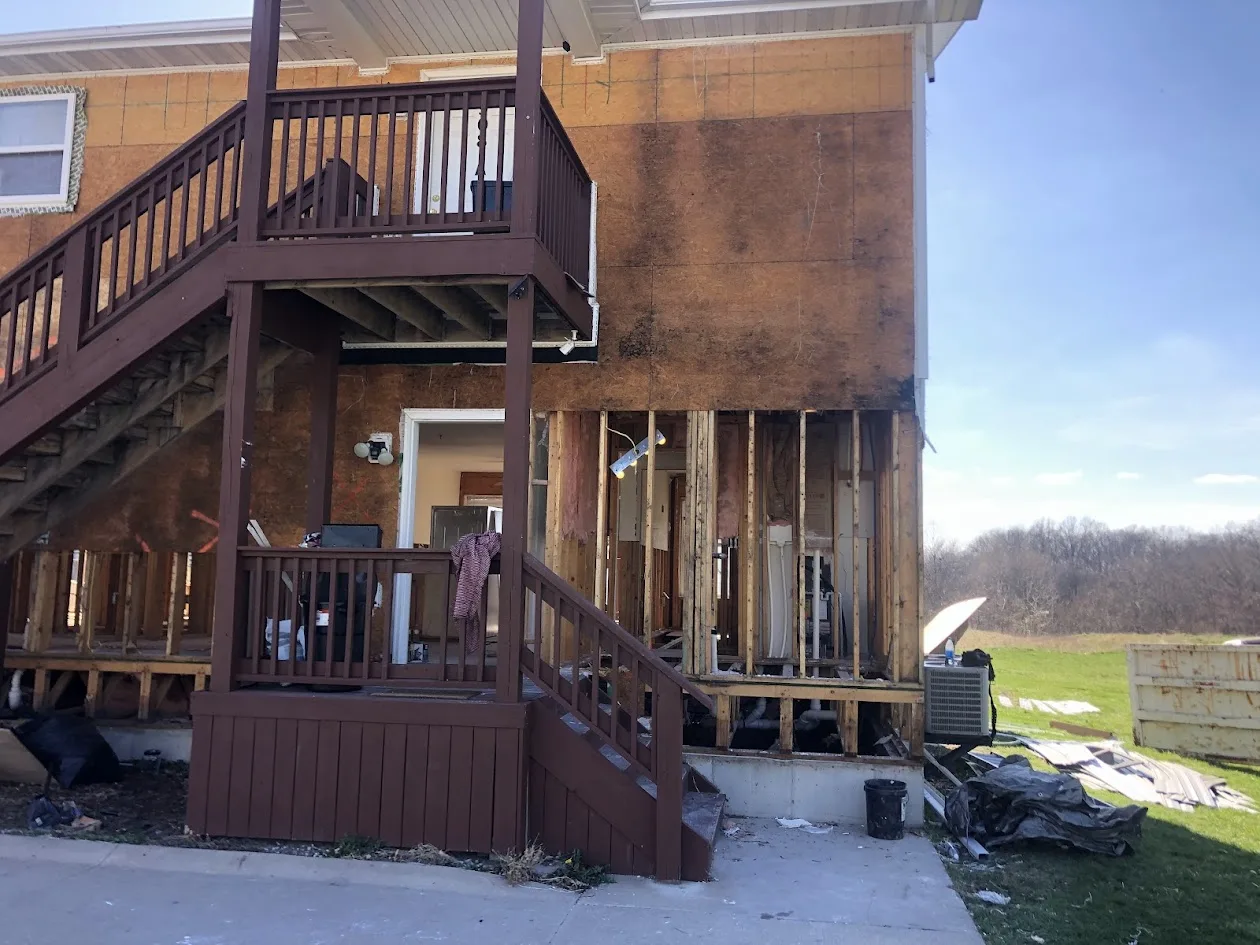
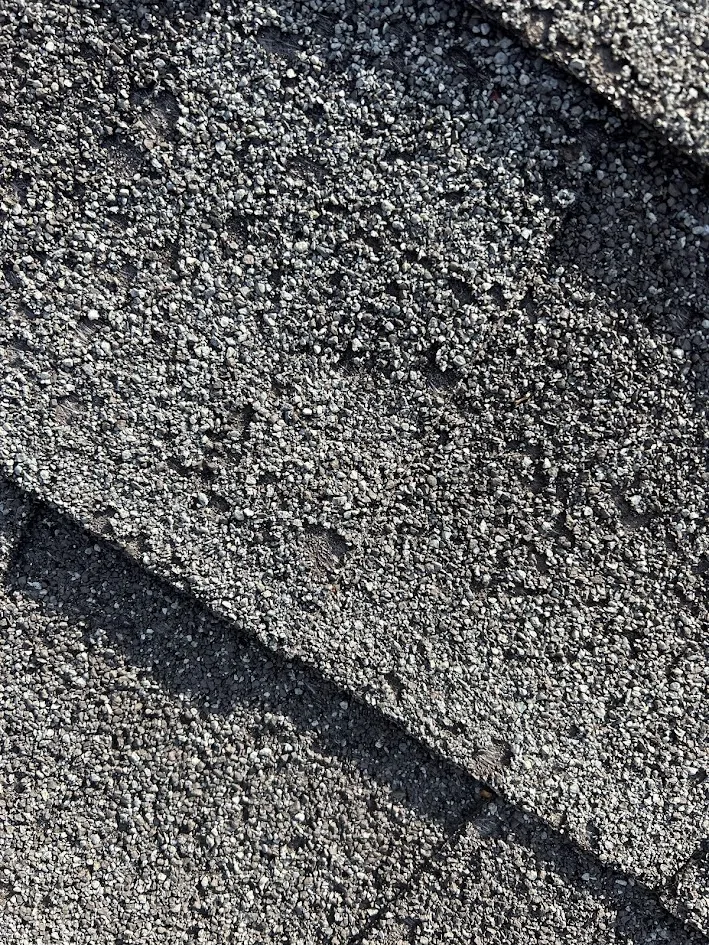
Storm damage encompasses multiple peril types, each requiring different response priorities. Hail damage to roofing systems and siding creates water intrusion pathways that may not manifest immediately. High-wind events cause structural breaches such as missing roofing sections, displaced siding, and broken windows that allow weather to continue damaging interiors until the opening is secured. Tornado events create chaotic debris-field damage requiring careful triage. Flash flooding and storm surge require the same Category 2 and 3 water protocols as any flood event, with added contamination concerns.
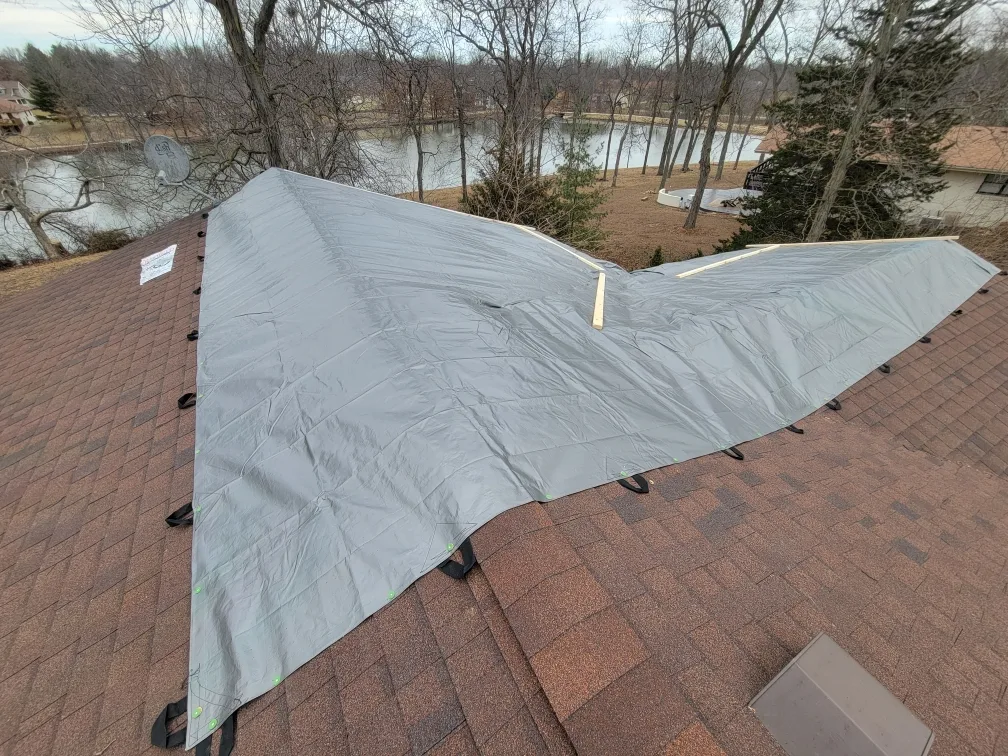
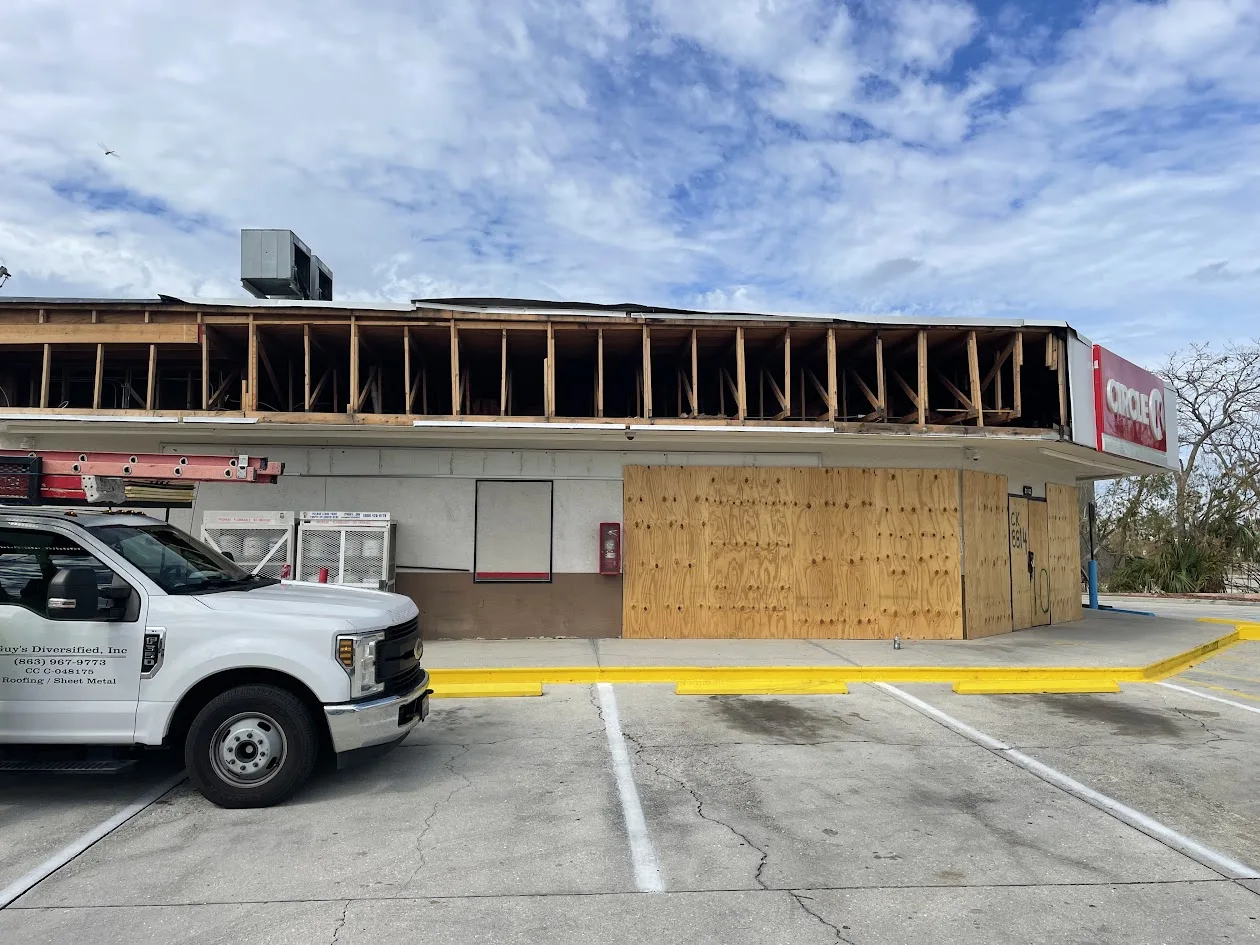
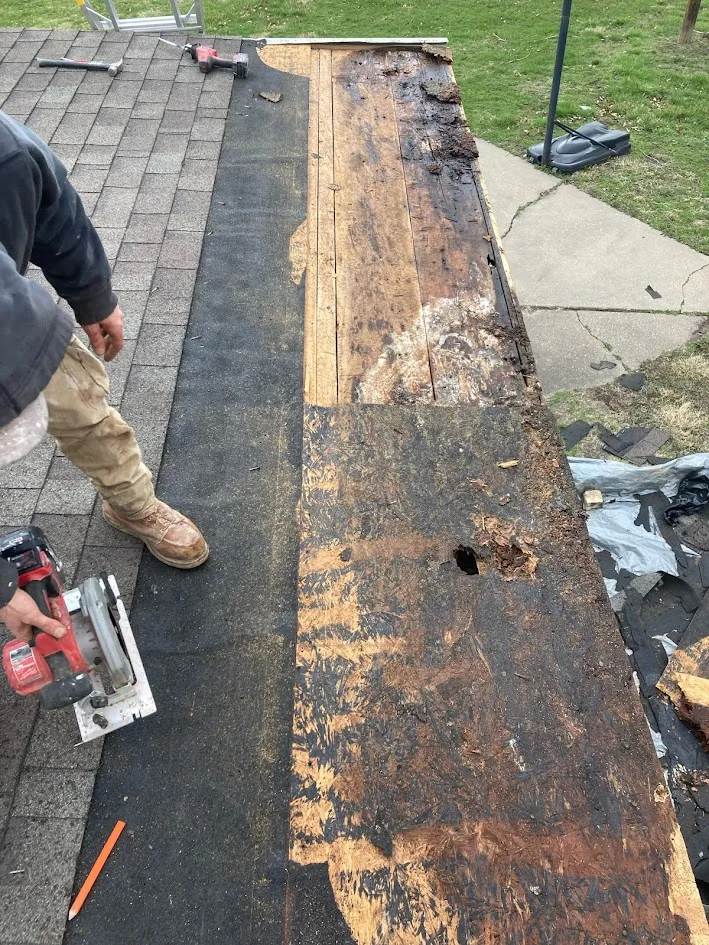
The first priority in any storm response is temporary protection: preventing ongoing damage while the full restoration scope is assessed and insurance claims are initiated. Emergency tarping of breached roofs, board-up of broken openings, and rapid water extraction from interior flooding all stop the damage clock. Binnacle contractors document everything from the moment they arrive, including photographs, moisture maps, and damage inventories, building the insurance claim record from the first hour on-site.
Key Facts
- $82 Billion total insured catastrophe losses across the US in 2023
- $14 Billion+ annual hail damage losses in the US alone
- 3 States Binnacle service area includes MO, IA, and OK tornado corridors
- Multi-Crew simultaneous crews deployable during a mass storm event
Our Process
Step-by-Step Restoration
Emergency Triage
Upon a significant weather event, Binnacle activates contractor availability across the affected market. Properties are triaged based on damage severity, with active water intrusion and structural breaches prioritized, to deploy resources where they prevent the most additional loss.
Temporary Protection
Emergency tarping of breached roofs, board-up of broken openings, and sandbag or barrier installation stop ongoing weather intrusion. Temporary protection is documented photographically to establish pre-mitigation damage baseline for insurance purposes.
Damage Documentation
Comprehensive photographic documentation of all storm damage before any cleanup begins. Moisture mapping identifies water intrusion pathways. Damage inventory provides the basis for insurance claims and guides the full restoration scope.
Water & Debris Removal
Standing water is extracted using commercial equipment. Storm debris is removed safely. Affected structural materials are assessed for salvageability versus replacement per IICRC S500 protocols for water-damaged assemblies.
Structural Drying
Commercial air movers and dehumidifiers are deployed per psychrometric drying calculations. Daily moisture readings track progress. Drying logs, equipment records, and final moisture readings are included in the insurance documentation package.
Coordinated Handoff
Binnacle provides the mitigation documentation each rebuild trade needs, including roofing, framing, flooring, and finish contractors, along with insurance adjuster packages that support fast claim settlement and minimize supplemental disputes.
From Real Jobs
Project Photos
Common Questions
What to Expect & How It Works
What should I do immediately after storm damage?
First, ensure all occupants are safe and the structure is stable before re-entering, particularly after tornado or severe wind events where structural integrity may be compromised. Document damage with photographs on your phone before anything is moved or cleaned. Prevent additional water intrusion if you can do so safely, such as placing towels at doorways or buckets under active leaks, but do not attempt roof access. Call your insurance carrier to open a claim, then call Binnacle for emergency stabilization. Do not wait for insurance adjuster approval before beginning temporary protective measures, as most policies require reasonable steps to prevent further damage.
How do I prevent further damage while waiting for contractors?
Move wet contents away from the water source and elevate items off wet flooring if possible. Place towels or buckets to limit water spread on hard flooring. Turn off electricity to areas with water intrusion at the breaker panel if you can do so safely without entering standing water. Do not run home HVAC fans across wet areas, as this can spread moisture and mold spores to unaffected spaces. Avoid removing wet flooring or cutting into walls, as these actions can complicate insurance documentation and should be done by professionals with proper moisture mapping in place first.
Does homeowners insurance cover storm damage?
Standard homeowners insurance policies cover wind, hail, lightning, and tornado damage as named perils. Water damage caused by wind-driven rain entering through a storm-created opening is typically covered. However, flood damage from rising groundwater, storm surge, or overflowing bodies of water requires a separate flood insurance policy, as standard homeowners policies explicitly exclude flood. Hail and wind damage are among the most commonly filed claims, and documentation quality significantly impacts claim outcomes. Binnacle's comprehensive damage documentation, completed before any work begins, provides the evidence base your adjuster needs for accurate claim assessment.
How does Binnacle handle mass storm events when every contractor is busy?
The Binnacle network model is specifically designed for mass-event scenarios. Rather than a single contractor managing all work in a market, Binnacle can activate multiple certified contractor crews simultaneously across an affected region in Missouri, Iowa, or Oklahoma. When a significant weather event is forecast, Binnacle pre-activates contractor availability so crews are staged and ready to deploy when the storm passes, not scrambling to mobilize after the fact. This surge capacity means customers don't face 2-week wait times for initial stabilization, which is when the most preventable secondary damage occurs.
Why Speed Matters
The Cost of Waiting
Every hour without professional mitigation increases damage severity and final restoration cost. Here's what happens when response is delayed:
Every hour a roof breach or broken window is unsecured, additional rain water enters the structure. A single night of rain through an unprotected opening can cause $10,000+ in secondary water damage.
Mold begins to establish in water-saturated building materials. Saturated insulation loses R-value and must be replaced. Wet flooring assemblies begin to swell and delaminate.
Established mold growth in wall cavities. Structural framing absorbs moisture and may require replacement in addition to drying. Secondary water damage claim scope expands significantly.
Full mold remediation required in addition to storm restoration. Insurance claim becomes significantly more complex. Reconstruction timeline extends due to material replacement needs.
Certifications & Standards
Industry-Certified Work
- IICRC S500: Standard for Professional Water Damage Restoration. Applied to all storm water intrusion components.
- Insurance industry Xactimate documentation standards. Ensures claim compatibility with all major carriers.
- OSHA 29 CFR 1926: Construction safety standards. Applied to all temporary protection and debris removal work.
- RCV (Replacement Cost Value) documentation practices. Supports proper claim settlement for policyholders.
- Multi-state contractor licensing compliance across Missouri, Iowa, and Oklahoma
Equipment Used
Professional-Grade Tools
- Heavy-duty tarps and fastening systems: emergency roof breach protection up to 10,000 sq ft
- Structural board-up materials: plywood and hardware for windows, doors, and wall openings
- Commercial generators: powers extraction and drying equipment at properties without utility power
- Phoenix air movers and Dri-Eaz dehumidifiers: IICRC S500 compliant structural drying
- Truck-mount and portable extraction units: rapid standing water removal
- FLIR thermal cameras and Tramex moisture meters: moisture mapping and drying verification
- GPS-enabled documentation tools: geo-tagged photography for insurance claim accuracy
Why Binnacle
What Sets Us Apart
- Surge capacity with multiple crews deployed simultaneously across affected markets
- Pre-activation during forecast weather events, with crews staged before the storm clears
- Emergency tarping and board-up within hours of initial contact
- Comprehensive damage documentation before any work begins to protect your claim
- IICRC S500 structural drying on all water intrusion components
- Serves MO, IA, and OK tornado corridors, the highest-risk storm markets in the central US
- Insurance adjuster documentation packages formatted for fast claim processing
- Coordination across multi-structure and multi-property claims
- Clean handoff documentation for all rebuild trades
- No single-operator capacity limits. Network scale when you need it most.
Emergency Guides
What To Do Right Now
In one of these situations? Start here for the first steps — then call us 24/7.
Ready When You Are
Get Expert Help Now
Certified contractors standing by 24/7 across Missouri, Iowa, and Oklahoma. Fast response. Full documentation. Insurance-ready.